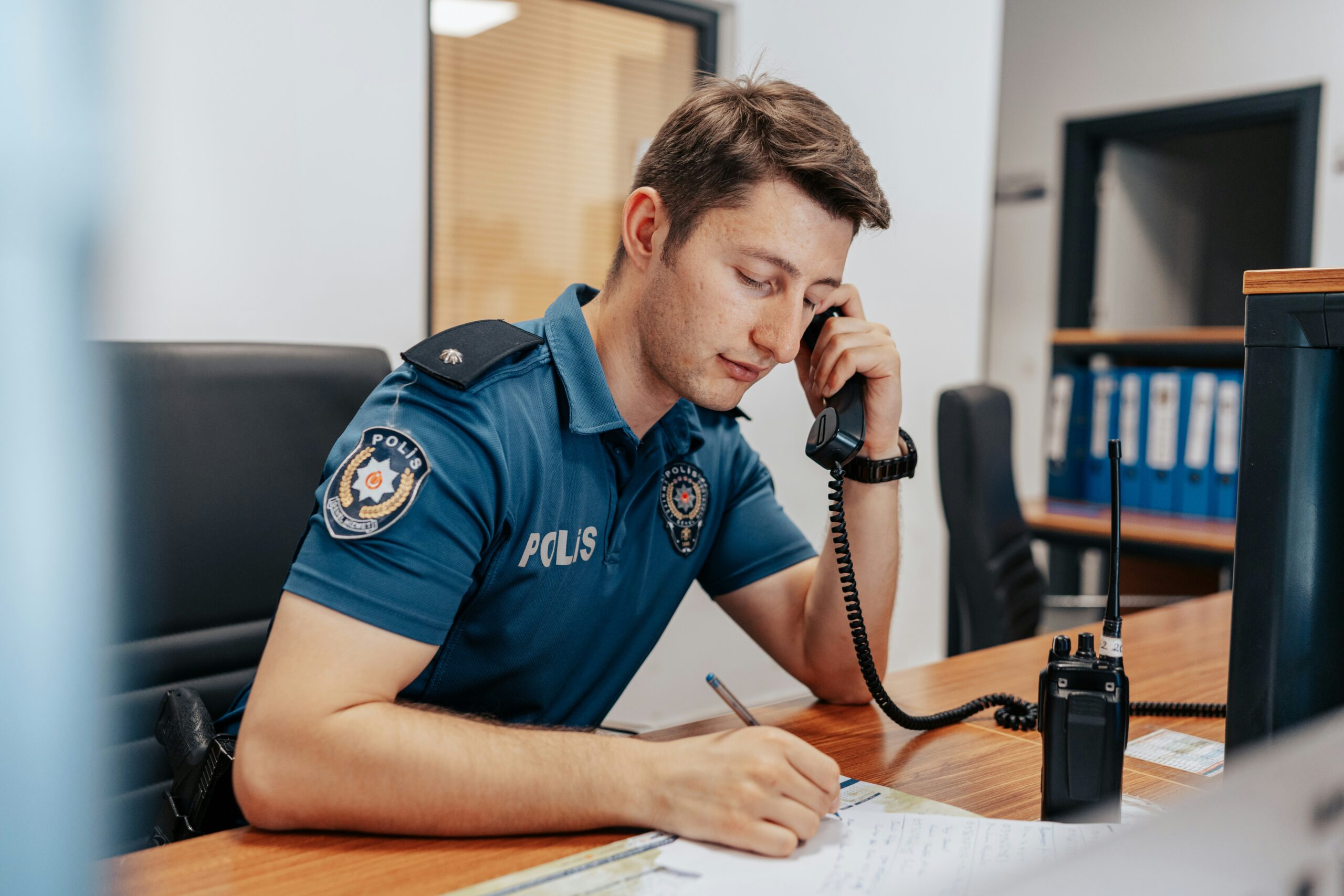
When people think about emergency response, they often picture police officers, firefighters, or paramedics arriving at the scene. However, before any first responder can help, a public safety telecommunicator has already begun coordinating the response. These highly trained professionals answer emergency calls, gather critical information, dispatch the appropriate services, and provide life-saving instructions while help is on the way.
Public safety telecommunicators serve as the vital communication link between the public and emergency responders. Their ability to remain calm under pressure, make quick decisions, and communicate effectively can significantly impact the outcome of an emergency. Their responsibilities extend far beyond simply answering the phone.
Answering Emergency Calls
The primary duty of a public safety telecommunicator is to answer incoming emergency calls through systems such as 911. Every call is different, ranging from medical emergencies and fires to crimes in progress and traffic accidents. The telecommunicator must quickly determine the nature of the emergency while reassuring callers who may be frightened, injured, or emotionally distressed.
Gathering accurate information is essential during these conversations. Details such as the exact location, the type of emergency, the number of people involved, and any immediate dangers help emergency responders prepare before arriving at the scene; every second counts, making efficiency and precision crucial.
Dispatching Emergency Responders
Once the necessary information has been collected, the telecommunicator dispatches the appropriate emergency units. Depending on the situation, this may involve police officers, firefighters, emergency medical services, or multiple agencies working together. Dispatch decisions must follow established protocols while considering available resources and response priorities.
Modern dispatch systems allow telecommunicators to communicate directly with first responders through computer-aided dispatch software and radio networks. They continuously update responders with new information as conditions change, helping them respond safely and effectively.
Public safety telecommunicators also monitor the status of emergency units throughout each incident. They track which responders are available, assigned, or transporting patients, ensuring that emergency resources remain properly distributed across the community.
Providing Life-Saving Instructions
Many emergency calls require immediate guidance before responders arrive. Public safety telecommunicators are trained to provide step-by-step instructions for situations such as CPR, choking emergencies, severe bleeding, childbirth, and other medical crises. These instructions can stabilize patients and improve survival rates.
The ability to communicate clearly during stressful situations is essential. Telecommunicators must simplify complex procedures while encouraging callers to remain focused. Their calm voice often provides reassurance that helps callers follow instructions effectively until professional help arrives.
Coordinating Communication During Emergencies
Large-scale emergencies often require coordination among multiple agencies. Public safety telecommunicators play a central role by maintaining communication between police departments, fire departments, emergency medical services, public works, and other responding organizations.
They relay updates, track changing conditions, and ensure that every responding unit has the latest available information. Effective communication reduces confusion, minimizes delays, and helps emergency teams operate as a coordinated response rather than separate organizations.
Managing High-Stress Situations
Every shift presents unpredictable challenges. A telecommunicator may answer routine service requests one moment and handle multiple life-threatening emergencies the next. Maintaining composure under intense pressure is one of the defining characteristics of successful professionals in this field.
Stress management skills are essential because telecommunicators frequently hear traumatic situations unfold in real time. Despite the emotional demands, they must continue making sound decisions, documenting information accurately, and prioritizing calls based on urgency without allowing emotions to interfere with their responsibilities.
Maintaining Accurate Records
Every emergency call generates important documentation that becomes part of the official incident record. Public safety telecommunicators record caller information, dispatch times, responder activities, and other relevant details using specialized computer systems.
These records support investigations, legal proceedings, performance reviews, and emergency management planning. Accurate documentation also helps agencies evaluate response times, identify trends, and improve future emergency operations through data analysis.
Operating Advanced Communication Technology
Modern emergency communication centers rely on sophisticated technology that extends well beyond traditional telephones. Public safety telecommunicators operate computer-aided dispatch systems, mapping software, radio communication networks, text-to-911 platforms, and location tracking tools to manage incidents efficiently.
Because technology continues to evolve, ongoing training is a regular part of the profession. Telecommunicators must stay current with new software, communication equipment, cybersecurity practices, and emergency response protocols to maintain reliable service.
Supporting First Responders
Public safety telecommunicators provide continuous support to police officers, firefighters, and emergency medical personnel throughout their shifts. They relay information about suspect descriptions, hazardous conditions, weather changes, road closures, and additional resources that may affect field operations.
In critical incidents, telecommunicators monitor responder safety by maintaining constant radio contact. If an officer or firefighter requests emergency assistance, the communication center immediately coordinates backup resources and keeps all responding units informed of the developing situation.
Handling Non-Emergency Calls
Not every incoming call involves an immediate threat to life or property. Public safety telecommunicators also handle non-emergency requests, including noise complaints, property damage reports, parking violations, welfare checks, and requests for public information.
Properly distinguishing between emergency and non-emergency situations allows communication centers to prioritize urgent incidents while still providing helpful service to community members. Effective call screening helps prevent unnecessary delays for those facing genuine emergencies.
Demonstrating Professionalism and Confidentiality
Public safety telecommunicators interact with people from every background and often during the most difficult moments of their lives. Professionalism, patience, empathy, and respect are essential qualities that help build public trust while ensuring fair treatment for every caller.
Confidentiality is equally important. Telecommunicators regularly access sensitive personal information, criminal records, medical details, and law enforcement data. Strict adherence to agency policies and legal requirements protects privacy while maintaining the integrity of emergency communication systems.
The duties of a public safety telecommunicator extend far beyond answering emergency calls. These professionals gather critical information, dispatch emergency responders, provide life-saving instructions, coordinate complex incidents, operate advanced communication systems, and support first responders around the clock.
Their work requires exceptional communication skills, emotional resilience, technical expertise, and unwavering attention to detail. Although they often remain behind the scenes, public safety telecommunicators are indispensable members of the emergency response system, helping protect lives and strengthen public safety every day.