Public safety telecommunicator responsibilities play a major role in how emergency services respond to people who need help. Public safety telecommunicators often provide the first connection between a caller and police officers, firefighters, paramedics, or other emergency personnel. Although these professionals usually work behind the scenes, they help keep information moving throughout an emergency.
A public safety telecommunicator must listen carefully, ask clear questions, gather accurate details, and communicate with first responders. In addition, the job requires strong focus because several events may happen at the same time. Telecommunicators may handle calls, update computer systems, monitor radio traffic, and coordinate resources within minutes.
The exact duties can differ between agencies and communication centers. However, the main public safety telecommunicator responsibilities usually focus on communication, information management, dispatch support, documentation, and coordination. Together, these duties help create an organized connection between communities and emergency services.
Receiving Emergency Calls
Answering emergency calls is one of the most important public safety telecommunicator responsibilities. People may call because of a medical crisis, fire, traffic collision, crime, dangerous condition, or another urgent event. Therefore, telecommunicators must quickly determine why the caller needs assistance.
Callers do not always speak calmly or provide information in a clear order. For example, a frightened person may begin describing what happened before giving a location. The telecommunicator must listen carefully while guiding the conversation toward the information that responders need.
At the same time, telecommunicators need to communicate in a professional and respectful way. Their tone can help callers focus on important questions. As a result, clear communication can make it easier to collect useful details during a stressful event.
Confirming the Location of an Emergency
Location is a critical part of emergency call handling. Responders need to know where assistance is required before they can reach the person or incident. Therefore, telecommunicators often work to confirm an address, intersection, apartment, business, landmark, or another useful location detail.
Technology may help communication centers identify where a call originated. However, telecommunicators may still need to confirm that information with the caller. For instance, a person could be calling about an emergency happening at a different location.
Some situations make location confirmation more difficult. A caller may be traveling, unfamiliar with the area, or unable to provide a complete address. In those cases, the telecommunicator may use careful questions and available mapping tools to help identify the location as accurately as possible.
Gathering Critical Information
Once telecommunicators know the location, they need to understand the emergency. They may ask what happened, whether anyone has injuries, how many people are involved, and whether any immediate hazards exist. Therefore, active listening becomes essential.
Different emergencies require different questions. A traffic collision may require information about vehicles and injuries, while a fire call may require details about smoke, flames, or people who may still be inside. Telecommunicators follow their agency’s procedures to gather the appropriate information.
Furthermore, conditions can change during a call. Telecommunicators may need to continue asking questions after responders have already started traveling to the scene. When new information becomes available, they can update the incident record and relay relevant details to emergency personnel.
Dispatching Emergency Resources
To do this effectively, they need to understand agency procedures and resource availability. Several incidents may occur at the same time, so telecommunicators may need to track multiple units and assignments. As a result, strong organizational skills are essential.
In addition, dispatch communication needs to remain clear and concise. Responders need useful details about the location and nature of the incident. Providing accurate information can help them understand the situation before they arrive.
Dispatching is another major part of public safety telecommunicator responsibilities. Depending on the communication center, telecommunicators may dispatch police officers, firefighters, emergency medical personnel, rescue teams, or other resources.
Determining the Type of Emergency
Telecommunicators need to understand what type of event the caller is reporting. Correctly identifying the incident helps communication centers follow the proper response procedures and send information to the appropriate emergency service.
However, callers may not always know how to describe an event. They may provide incomplete information or focus on details that seem most important to them. Therefore, telecommunicators use focused questions to build a clearer picture of the situation.
They must also avoid making unsupported assumptions. Instead, they rely on available information and established protocols. This approach helps maintain accuracy while allowing the emergency response process to move forward.
Communicating With First Responders
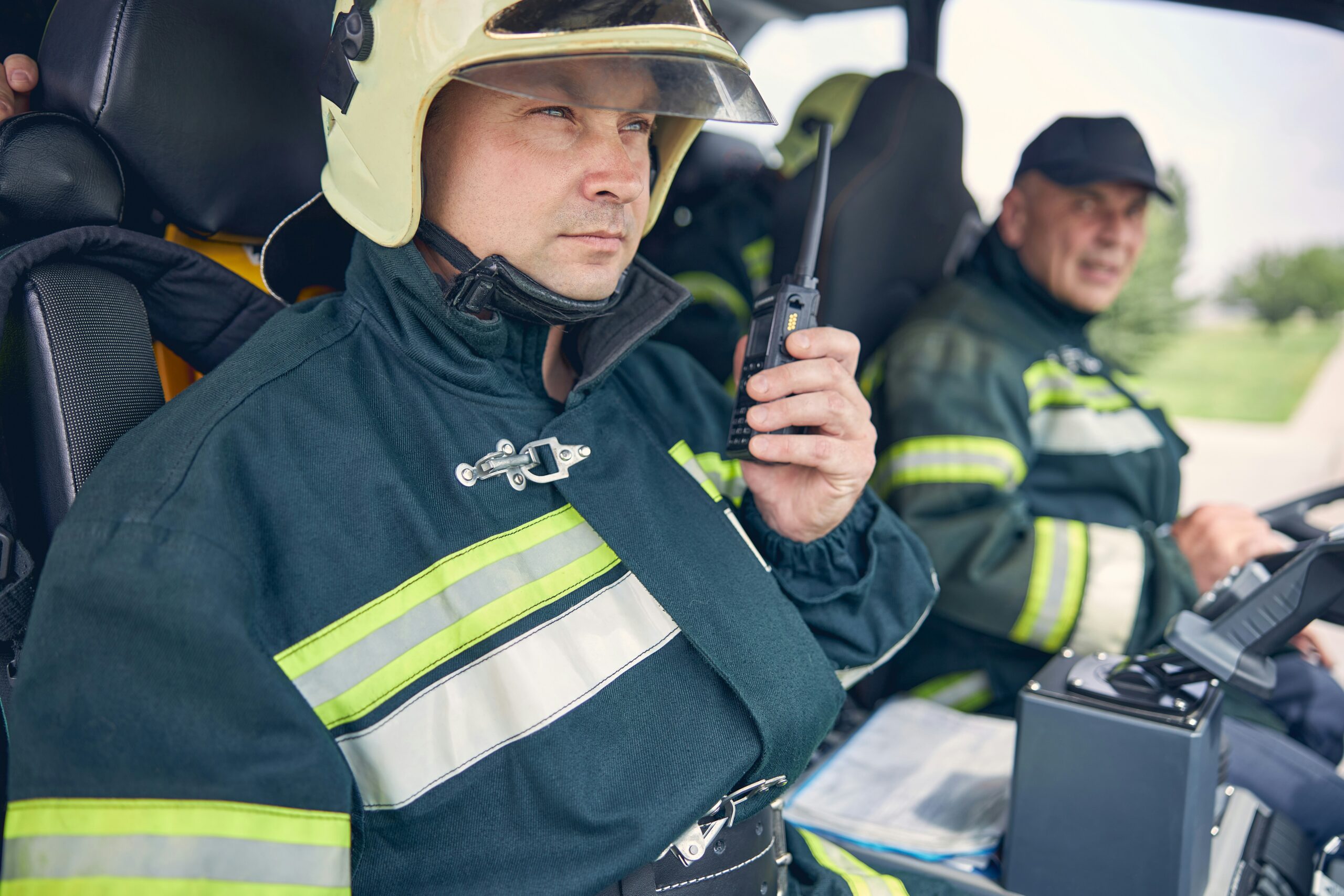
Public safety telecommunicators maintain an important communication link with field personnel. Police officers, firefighters, and emergency medical professionals may use radio systems and other tools to communicate with the dispatch center throughout an incident.
Telecommunicators provide updates when new information becomes available. For example, they may relay a change in location, a new hazard, or additional information about the people involved. Therefore, they must pay attention to both caller information and field communications.
Responders can also contact telecommunicators when they need additional resources or information. The communication center may then coordinate the request according to agency procedures. This ongoing exchange helps emergency personnel remain connected while working in the field.
Monitoring Radio Communications
Radio monitoring forms another important part of the job. Telecommunicators may listen to several field units as responders report their status, provide updates, or request assistance.
This task requires concentration because radio messages can arrive while telecommunicators perform other duties. They may need to enter information into a computer system while listening for important transmissions. Consequently, effective multitasking becomes an important professional skill.
Telecommunicators also need to recognize messages that require immediate action. When a responder requests additional assistance, for example, the communication center must process that request according to local procedures. Careful radio monitoring helps maintain reliable communication throughout an incident.
Supporting Responder Safety
Public safety telecommunicator responsibilities also include supporting the safety of field personnel. Information collected during an emergency call can help responders understand potential risks before they arrive.
For example, callers may report traffic hazards, fire conditions, dangerous environments, or other circumstances that could affect responders. Telecommunicators can relay relevant details so field personnel have more information as they approach the scene.
Support may continue after responders arrive. Depending on agency procedures, telecommunicators may monitor unit status or conduct status checks. If responders request additional assistance, telecommunicators can help coordinate the appropriate resources.