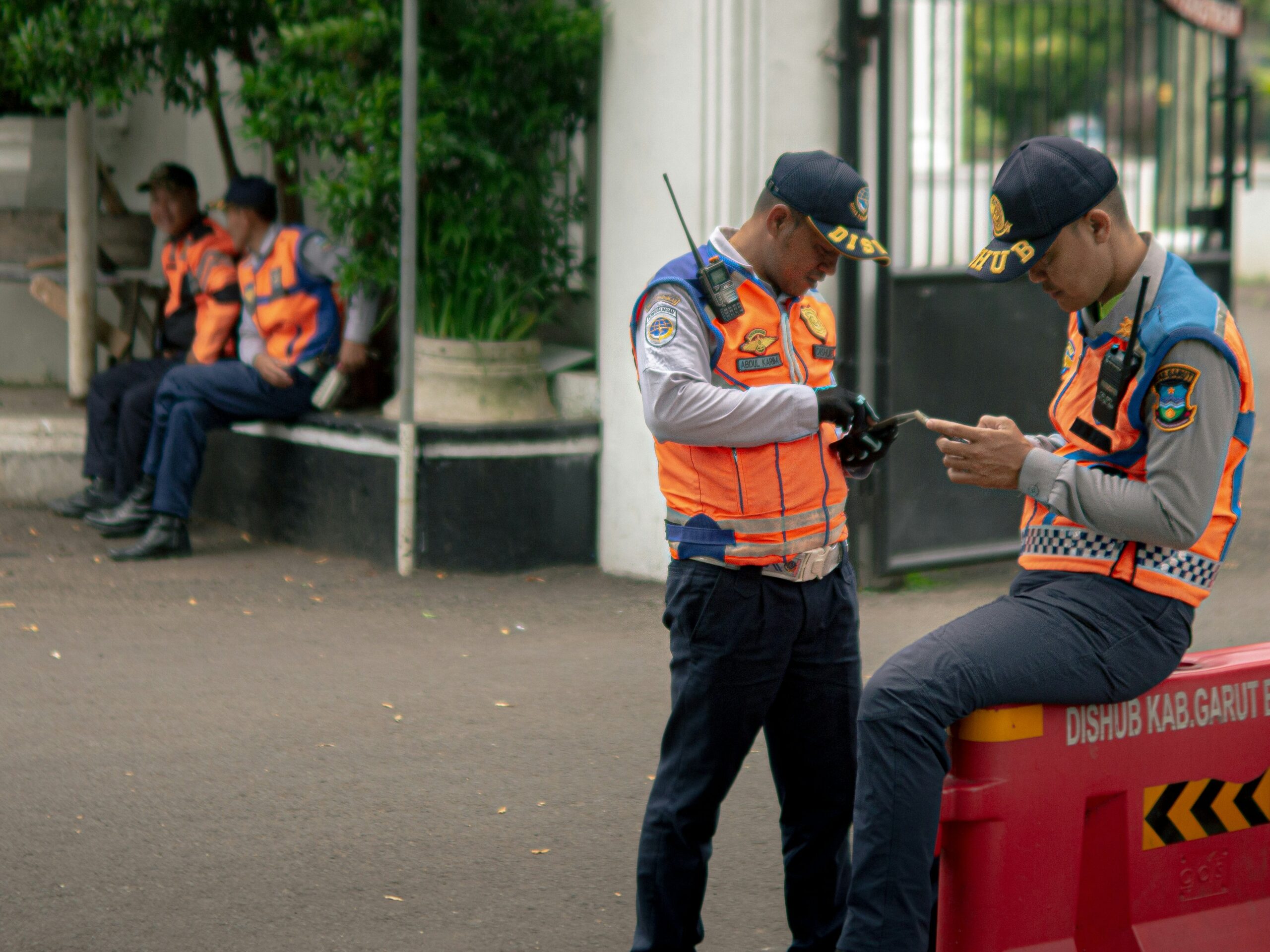
Public safety telecommunicators serve as a vital connection between the public and emergency services. They are often the first people to hear about a crisis. When someone calls for help, a telecommunicator gathers the details and sends the right responders. Their work supports police officers, firefighters, emergency medical teams, and other public safety agencies.
This role requires clear communication, fast thinking, patience, and accuracy. Telecommunicators often work in stressful situations where every detail matters. They must stay calm while callers may feel scared, confused, or upset. Their ability to manage information helps emergency teams respond quickly and safely.
Answering Emergency Calls
A major responsibility of a public safety telecommunicator is answering emergency calls. These calls may involve medical problems, fires, traffic crashes, crimes, missing people, or other dangerous situations. The telecommunicator must listen carefully from the moment the call begins. They need to understand what happened and determine what kind of help the caller needs.
Callers do not always speak clearly during emergencies. Some may cry, shout, panic, or struggle to explain where they are. The telecommunicator must remain patient and guide the conversation. Clear questions help collect useful information without adding more stress. A calm voice can also help the caller stay focused while emergency assistance is being arranged.
Collecting Accurate Information
Telecommunicators need accurate information before responders can act. They ask callers for the location, nature of the emergency, number of people involved, and any immediate dangers. They may also need descriptions of people, vehicles, injuries, buildings, or nearby landmarks. These details help emergency crews understand what they may face.
Accuracy is important because even a small mistake can cause delays. An incorrect address may send responders to the wrong location. A missing detail about a weapon or fire hazard could also affect safety. Telecommunicators confirm important information whenever possible. They record it carefully so responders receive clear and useful details.
Sending the Right Emergency Responders
After gathering enough information, telecommunicators help send the proper emergency services. The response may include police officers, firefighters, emergency medical personnel, or several teams at once. The type of incident determines what resources are needed. Telecommunicators follow local procedures when assigning or notifying responders.
They also provide field teams with important details before arrival. Responders need to know the location, type of emergency, known risks, and any recent changes. This early information helps them prepare. It can also help them decide what equipment or support they may need once they reach the scene.
Supporting Responders Through Radio Communication
Public safety telecommunicators maintain contact with field personnel through radio systems. They provide updates, receive status reports, and answer requests for more information. Police officers, firefighters, and medical teams depend on reliable radio communication during active incidents.
Telecommunicators must listen closely because radio traffic can become busy. A responder may suddenly request backup or report a new danger. The telecommunicator needs to recognize urgent messages and act quickly. Strong radio communication keeps responders connected with the communication center and supports safer field operations.
Giving Instructions Before Help Arrives
Some trained telecommunicators provide approved instructions to callers before emergency crews arrive. These instructions may help during medical emergencies or other urgent situations. A telecommunicator might guide a caller through CPR, choking assistance, bleeding control, or basic safety steps.
Clear communication is very important during these moments. The caller may feel frightened or unsure about what to do. Telecommunicators use simple language and give one instruction at a time. They stay on the call when required and continue guiding the person until responders arrive or the situation changes.
Monitoring Changes During an Emergency
Emergencies can change quickly. A fire may spread, a patient’s condition may become worse, or a person involved in a crime may leave the area. Telecommunicators continue to collect and share new information while responders travel to or work at the scene.
Updates help responders adjust their plans. A police officer may need a new suspect description. Firefighters may need to know that someone is still inside a building. Medical personnel may need information about changing symptoms. The telecommunicator keeps communication flowing so field teams have the most up-to-date information.
Keeping Detailed Incident Records
Telecommunicators record information about calls and emergency responses. They may enter caller details, locations, times, unit assignments, and updates into a computer system. These records create a clear history of the incident from the first call through the end of the response.
Accurate records serve several purposes. Agencies may review them during investigations, training, legal matters, or performance checks. Good documentation also helps coworkers understand what has already happened if another telecommunicator takes over the incident. Clear records support both daily operations and future review.
Managing Several Tasks at Once
Public safety telecommunicators often handle many duties within a short period. They may answer a call, enter information, monitor radio traffic, check a map, and communicate with responders simultaneously. Busy communication centers can have several active incidents happening together.
The ability to manage these tasks requires strong focus and organization. Telecommunicators must know which issue needs immediate attention. A responder asking for urgent backup may take priority over a routine request. Good time management allows them to handle multiple demands without losing important information.
Protecting Sensitive Information
Telecommunicators may have access to private information in the course of their work. This can include names, phone numbers, addresses, medical details, and law enforcement records. They must handle this information responsibly and follow agency privacy rules.
Sensitive information should only be used for approved work purposes. Telecommunicators must avoid sharing details with unauthorized people. Careful information handling protects callers, responders, and public agencies. It also helps maintain trust between the community and emergency services.
Working With Different Public Safety Agencies
Emergency response often involves more than one agency. A traffic crash may require police officers, firefighters, and emergency medical teams. A large storm may involve several departments and nearby communities. Telecommunicators help these groups exchange information and coordinate their response.
Good cooperation can reduce confusion during complex events. Telecommunicators may contact outside agencies, request additional resources, or pass important updates between departments. Their work helps create a shared flow of information so everyone involved can focus on the same emergency goals.
Staying Calm in Stressful Situations
Public safety telecommunicators regularly hear difficult and emotional situations. Callers may report serious injuries, violence, fires, or sudden medical emergencies. Some calls can become intense within seconds. Telecommunicators must control their emotions and remain focused on the job.
Staying calm allows them to think clearly and communicate effectively. A steady approach also helps callers feel more secure. Training and experience help telecommunicators develop this ability. Support from coworkers and supervisors can also help them manage the challenges of emergency communication work.
Following Procedures and Maintaining Professional Standards
Public safety communication centers use established procedures to guide emergency calls and responses. Telecommunicators must understand these procedures and follow them consistently. Clear standards help reduce mistakes and make sure callers receive appropriate support.
Professional behavior is equally important. Telecommunicators speak with people from many backgrounds and must treat each caller with respect. They need to stay patient even when communication becomes difficult. Professional conduct helps create trust and supports fair service for everyone who contacts the emergency communication center.