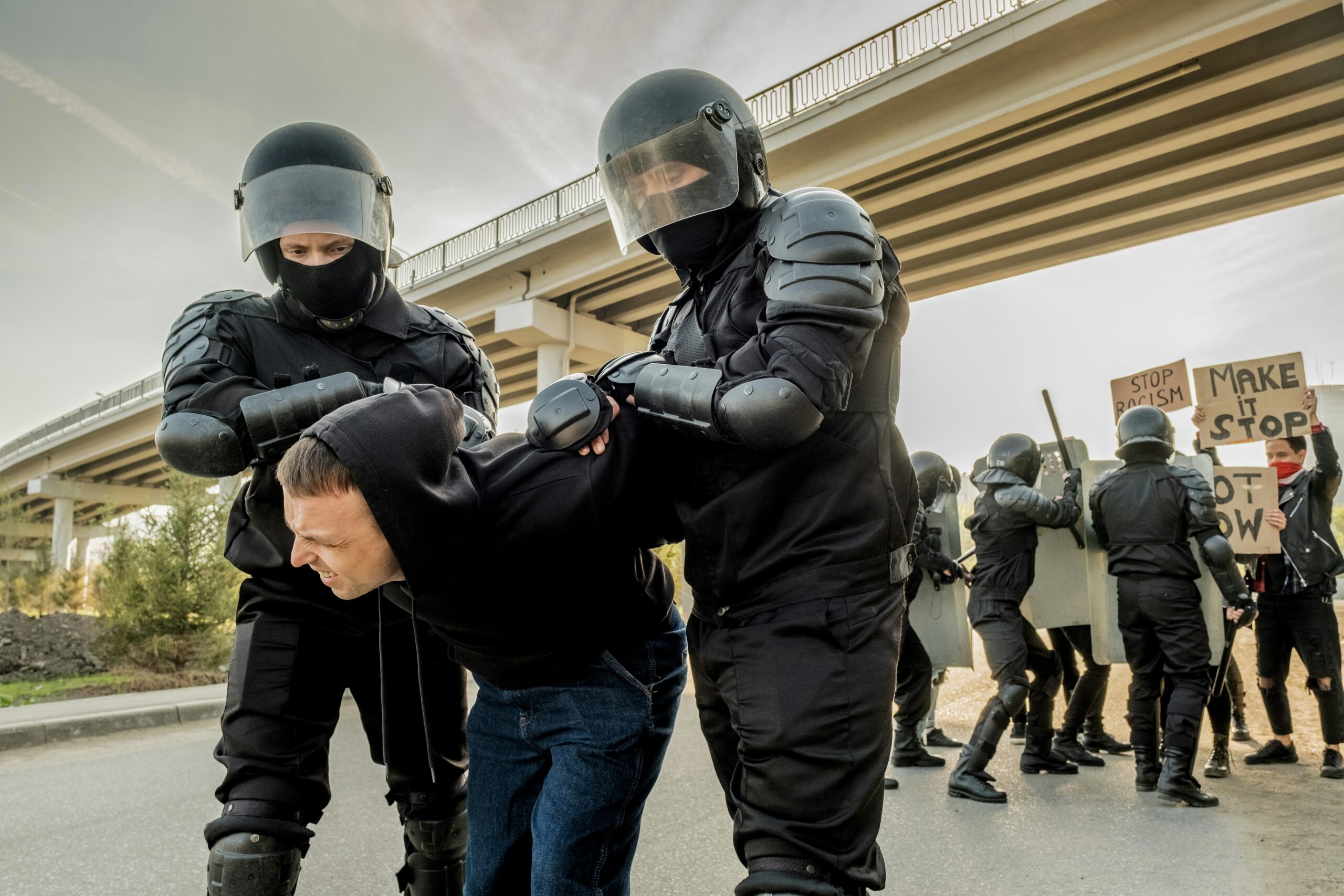
Public safety agencies depend on people who can perform well when pressure rises. A certified training officer helps build that readiness through structured coaching, evaluation, and guidance. These professionals connect classroom knowledge with real situations that demand judgment, discipline, and clear communication. Their influence reaches beyond new employees because training shapes an agency’s culture. As a result, certified instruction supports safer decisions, stronger teams, and better service to the public.
Certified Training Officers Create Consistent Standards
Consistency matters in public safety because small errors can create serious consequences. Certified training officers help agencies establish expectations for behavior, procedures, and performance. They teach recruits how policies apply during routine duties and stressful incidents. Therefore, employees learn not only what to do, but also why standards matter. This understanding helps reduce confusion when situations change quickly.
A strong training program also limits conflicting guidance between supervisors and experienced employees. Without structure, new staff may adopt habits that do not match policy. Certified instructors provide a common framework for learning and evaluation. In addition, they document progress using performance measures. That process makes development more transparent and supports fair decisions about readiness.
Better Training Strengthens Decision-Making Under Pressure
Public safety work often requires choices with limited information. Good judgment develops through practice, feedback, and exposure to realistic challenges. Certified training officers create scenarios that test awareness, communication, and problem-solving. They can then identify where a trainee struggles or overlooks important details. Because feedback follows the exercise, trainees can correct mistakes before facing similar events.
Decision-making also improves when instructors explain the reasoning behind procedures. Memorized rules may fail when circumstances do not fit a familiar pattern. However, employees who understand principles can adapt more effectively. A qualified public safety trainer encourages critical thinking while reinforcing legal, ethical, and operational boundaries. Consequently, personnel become prepared to act with confidence and restraint.
Certified Instruction Supports Safety and Accountability
Safety depends on more than equipment, policies or annual refresher courses. Employees need repeated practice that connects policy with real behavior. Certified training officers reinforce safe habits during daily tasks and high-risk situations. They also correct unsafe shortcuts before those patterns become routine. This early intervention protects employees, coworkers, and community members.
Accountability becomes stronger when expectations are taught and consistently measured. Trainees know which standards they must meet and how supervisors will review their performance. Meanwhile, supervisors receive information about strengths, weaknesses, and training needs. Formal evaluation records can also reveal patterns across a unit. Therefore, agencies can improve training systems instead of treating every problem as an isolated failure.
Skilled Coaching Builds Confidence Without Creating Complacency
Confidence is essential in public safety, but unsupported confidence can become dangerous. Certified training officers help employees build confidence through demonstrated competence. They observe performance closely, challenge weak habits, and recognize measurable improvement. This balanced approach encourages growth without lowering standards. As trainees improve, they gain confidence based on preparation rather than assumption.
Effective coaching also creates space for questions that employees may hesitate to ask elsewhere. A strong field training relationship allows honest discussion about uncertainty, stress, and mistakes. Moreover, instructors can model calm communication during difficult moments. This behavior shows trainees how professionalism looks under pressure. Over time, those examples can influence how employees lead others.
Training Officers Help Protect Organizational Culture
Every agency develops habits that shape how employees think and act. Certified instructors play a major role in deciding which habits become normal. They introduce recruits to professional expectations from the beginning. Just as importantly, they can challenge practices that conflict with policy or public trust. That influence makes training a cultural function, not only an educational task.
Experienced employees often become informal examples for newer staff. However, experience alone does not guarantee effective teaching. Certification gives training officers methods for coaching, evaluating, documenting, and correcting performance. It also encourages instructors to separate personal preference from agency standards. As a result, trainees receive guidance based on professional requirements instead of tradition alone.
Strong Training Improves Public Service
The public experiences an agency through the actions of individual employees. Each interaction can strengthen confidence or damage trust. Certified training officers prepare personnel to communicate clearly, apply procedures fairly, and manage conflict professionally. These skills matter during both emergencies and routine contacts. Therefore, better training can improve service quality across many daily situations.
Training also helps employees understand the human impact of their decisions. Technical competence remains essential, but public safety requires empathy and self-control. Instructors can reinforce respectful communication while maintaining firm operational standards. They can also teach trainees to recognize how stress affects judgment. This combination supports safer outcomes and more professional community interactions.
Certified Training Officers Strengthen Long-Term Readiness
Public safety agencies must prepare for changing risks, policies, technology, and community expectations. Certified training officers help organizations adapt without losing consistency. They can update instruction as procedures change and identify emerging performance gaps. Furthermore, they give leaders practical feedback from frontline training environments. That information helps agencies improve policies, staffing, and ongoing professional development.
Their value also continues after a trainee completes an initial program. Strong instructors often influence future supervisors, mentors, and trainers through the habits they teach. In this way, certified training officers create a lasting multiplier effect. They strengthen individual competence while supporting safer systems and stronger leadership. For public safety organizations, that combination makes certified training essential to long-term performance and public trust.