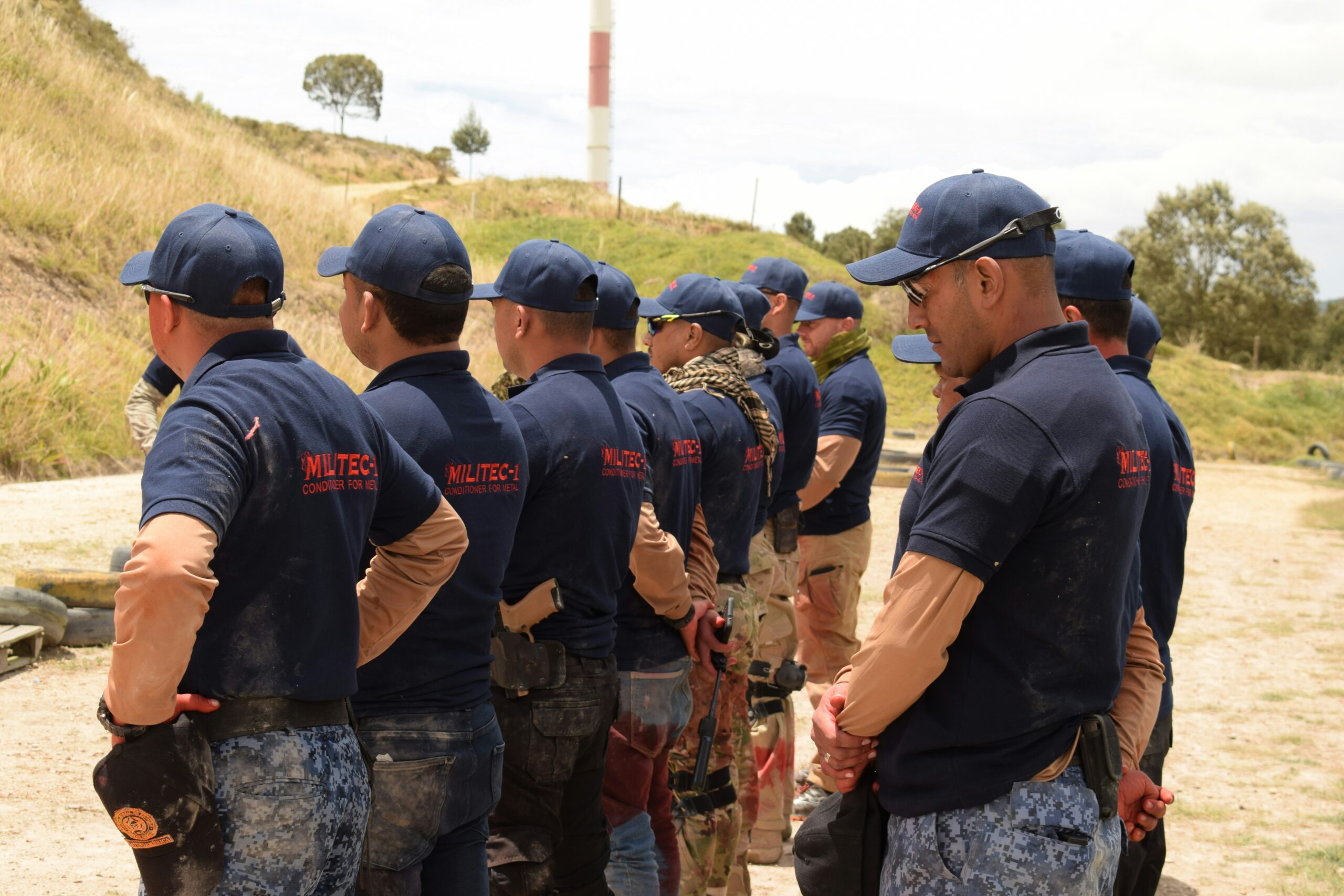
In modern policing, technology plays a major role in helping officers manage high-risk situations. One of the most important tools is the conducted electrical weapon, commonly known as a Taser. However, the effectiveness and safety of this tool depend heavily on how well officers are trained to use it. That is where a Taser Instructor in Law Enforcement becomes essential. This professional ensures officers understand proper use, legal boundaries, and real-world decision-making.
A strong instructor does more than teach techniques. They help shape judgment, reinforce accountability, and build confidence in high-pressure environments.
Understanding the Core Responsibility of Training Leaders
A Taser instructor carries a responsibility that goes far beyond basic classroom teaching. They guide officers through the safe and responsible use of conducted electrical weapons in situations where split-second decisions matter. In many agencies, they serve as the bridge between policy and real-world application.
Because of this, law enforcement training instructor standards focus heavily on accuracy, consistency, and legal awareness. For example, instructors must explain when a Taser is appropriate and when alternative force options are appropriate. This clarity helps officers avoid misuse during stressful encounters. As a result, training becomes a key factor in reducing unnecessary risk.
Building Confidence Through Practical Skill Development
Officers often face unpredictable situations, so they need more than theoretical knowledge. A Taser instructor provides hands-on experience that builds confidence and control. This includes demonstrating device handling, target accuracy, and safe deployment techniques.
Through conducted electrical weapon training, instructors help officers understand how the device behaves in different conditions. For instance, distance, movement, and environmental factors can all affect performance. Moreover, officers learn how to respond when situations change quickly. Therefore, practical training ensures they are not only prepared but also adaptable under pressure.
Emphasizing Legal Standards and Accountability
Every use-of-force decision carries legal and ethical implications. Therefore, instructors must ensure officers fully understand policies and regulations. This includes department guidelines, state laws, and constitutional standards.
During use-of-force training, instructors explain how legal justification applies in real-world scenarios. For example, they may review case studies where improper use led to legal consequences or public concern. Additionally, they stress the importance of documentation after every incident. Because of this, officers learn to think beyond the moment and consider long-term accountability for their actions.
Creating Realistic Scenario-Based Learning
Training becomes more effective when officers experience realistic situations. That is why scenario-based exercises are a core part of instruction. These exercises replicate real-world stress and decision-making environments.
During tactical training exercises, instructors simulate situations such as resisting suspects, low visibility conditions, or fast-moving encounters. Consequently, officers must decide quickly whether to deploy a Taser or choose another option. In addition, instructors evaluate communication, timing, and control. This approach helps officers build muscle memory and better judgment in the field.
Ensuring Proper Device Maintenance and Readiness
A Taser is a precision tool, and it must function correctly at all times. Instructors play a key role in teaching maintenance, inspection, and readiness procedures. Without proper upkeep, even well-trained officers may face equipment failure during critical moments.
Through law enforcement equipment checks, instructors guide officers in inspecting cartridges, batteries, and safety mechanisms. Furthermore, they teach troubleshooting steps for common issues. As a result, officers learn to trust their equipment while also taking responsibility for its condition. This reduces the risk of malfunction during high-pressure situations.
Evaluating Performance and Certification Standards
Not every trainee progresses at the same pace, so evaluation is an important part of instruction. A Taser instructor must assess both technical ability and decision-making skills. This ensures officers meet department standards before receiving certification.
With police certification training, instructors use written tests, practical demonstrations, and scenario evaluations. For example, an officer may need to explain when it is appropriate to use a Taser during a simulated encounter. Moreover, instructors provide feedback to improve performance. This structured evaluation system ensures consistency and fairness across the department.
Strengthening Communication and De-escalation Skills
A modern approach to policing emphasizes communication before physical intervention. Therefore, instructors focus on verbal skills and de-escalation techniques as part of Taser training. Officers must understand that a calm conversation can often prevent the need for force.
Through de-escalation training programs, instructors teach officers how to use tone, body language, and clear instructions to control a situation. In addition, they highlight how early communication can reduce tension and improve outcomes. As a result, officers are better prepared to resolve conflicts without unnecessary escalation.
Improving Public Safety and Community Trust
The role of a Taser instructor ultimately extends beyond the police department. It also impacts public safety and community relationships. When officers receive proper training, they make more informed and responsible decisions in the field.
Because of public safety training standards, communities benefit from reduced misuse of force and improved transparency. For example, when officers apply consistent guidelines, public trust increases. Furthermore, better training leads to fewer injuries for both officers and civilians. Over time, this strengthens the relationship between law enforcement and the communities they serve.
Continuous Learning and Evolving Practices
Law enforcement practices continue to evolve, and instructors must stay up to date with new research, technology, and policies. Regular updates ensure that training remains relevant and effective.
Through ongoing advanced instructor development, professionals refine their teaching methods and stay aligned with national standards. In addition, they review new case studies and adapt training modules accordingly. This continuous learning process ensures that officers always receive the most current and effective guidance.
A Taser Instructor in Law Enforcement plays a critical role in shaping how officers use one of their most important tools. From hands-on training and legal education to scenario practice and communication skills, their influence touches every part of an officer’s decision-making process. As a result, they help build safer communities, more confident officers, and stronger accountability across the justice system.