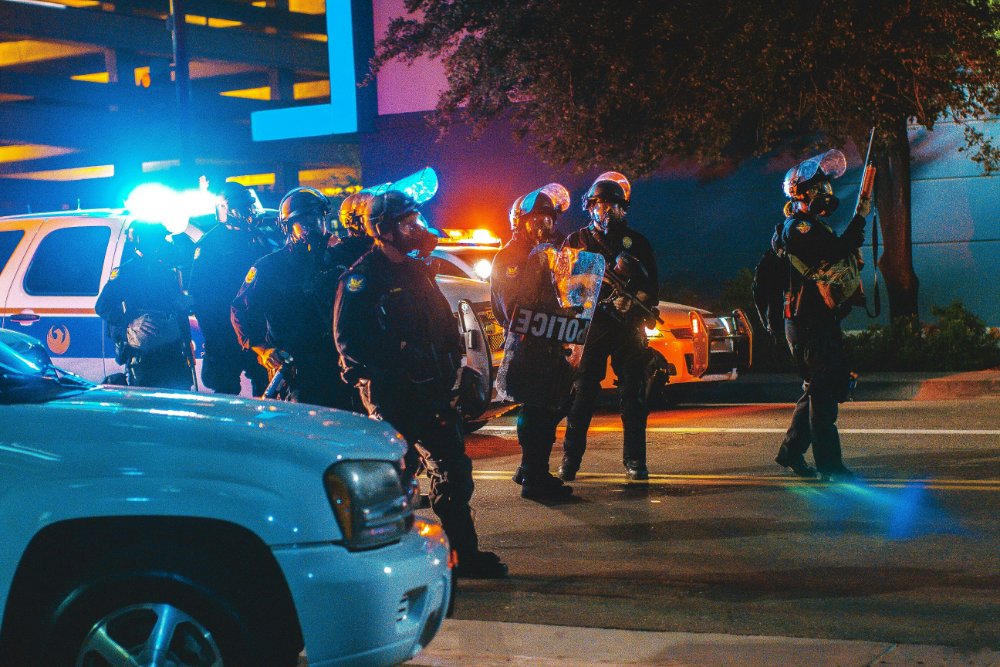
Police officers face many challenges while protecting people and maintaining public safety. Every situation requires knowledge, patience, and sound judgment. Therefore, effective police training helps officers develop the skills they need to perform their duties responsibly. Training programs teach recruits how to communicate, assess risks, and follow legal procedures. Moreover, experienced instructors guide officers through practical exercises that reflect real situations. This preparation helps officers respond to challenges with greater confidence while respecting the rights of community members.
Modern policing also requires officers to understand changing community needs and professional expectations. As a result, training programs must go beyond basic procedures and focus on practical skills. Officers need to recognize problems, make informed decisions, and work effectively with others. Furthermore, continuous education helps them improve their abilities throughout their careers. Strong training creates a foundation for safer policing and encourages responsible public service.
Developing Strong Communication Skills
Clear communication plays an essential role in successful police work. Officers regularly speak with victims, witnesses, suspects, and community members. Therefore, instructors teach recruits how to listen carefully, explain procedures, and remain respectful during difficult conversations. Good communication can reduce confusion and prevent unnecessary conflict. For example, an officer who listens patiently to a concerned resident may understand the situation more clearly. Consequently, communication training helps officers build trust and improve everyday interactions.
Training programs also teach officers how to communicate during stressful situations. Instructors demonstrate how tone, body language, and word choice can influence an encounter. Additionally, officers practice speaking calmly with individuals who feel frightened or frustrated. These exercises help recruits understand the importance of patience and emotional awareness. As a result, strong communication skills support safer interactions and encourage cooperation between police officers and the public.
Strengthening Critical Thinking and Decision-Making
Police officers often make important decisions with limited information. Therefore, training programs teach them how to assess situations before taking action. Instructors encourage recruits to observe, gather reliable information, and consider possible outcomes. These lessons help officers recognize risks and avoid unnecessary mistakes. Moreover, practical exercises allow trainees to examine challenging situations without placing the public in danger. Strong decision-making skills support responsible police work and improve overall safety.
Critical thinking also helps officers understand that different situations may require different responses. For example, a neighborhood disagreement may need careful communication rather than immediate enforcement action. Furthermore, instructors encourage trainees to consider legal requirements and the needs of everyone involved. Reviewing these choices helps recruits develop better judgment. Consequently, officers become more prepared to solve problems while maintaining fairness and professionalism.
Teaching Conflict Resolution and De-Escalation
Conflict resolution remains an important skill for modern police officers. Many public encounters involve frustration, fear, or misunderstanding. Therefore, instructors teach recruits how to recognize emotional tension and respond calmly. Officers learn to listen carefully, explain their actions, and avoid language that could increase conflict. Additionally, training emphasizes maintaining appropriate distance and requesting support when necessary. These practices can help officers manage difficult encounters while reducing the risk of harm.
De-escalation training also encourages officers to consider peaceful solutions whenever circumstances allow. For instance, an officer responding to an argument may use calm communication to encourage cooperation. Furthermore, instructors demonstrate how patience and clear explanations can help people understand their options. Realistic exercises allow trainees to practice these approaches under supervision. As a result, officers develop skills that support safer outcomes for themselves and community members.
Building Legal Knowledge and Ethical Responsibility
Police officers must understand the laws that guide their authority and responsibilities. Training programs explain constitutional rights, criminal procedures, and department policies. Moreover, instructors teach recruits how legal requirements apply to searches, arrests, and public interactions. This knowledge helps officers recognize the limits of their authority and make lawful decisions. Therefore, strong legal education supports responsible policing and protects individual rights.
Ethical responsibility also plays an important role in professional police training. Officers must demonstrate honesty, fairness, accountability, and respect. Additionally, instructors discuss situations involving conflicts of interest, improper conduct, and misuse of authority. These lessons encourage recruits to recognize ethical concerns before making decisions. Consequently, ethical training helps officers understand how their actions influence public confidence and professional credibility.
Improving Emergency Response and Safety Awareness
Police officers may encounter accidents, medical emergencies, and other urgent situations during their duties. Therefore, training programs teach recruits how to assess risks and prioritize human safety. Instructors explain emergency procedures, communication methods, and the importance of requesting appropriate assistance. Moreover, practical exercises help officers recognize potential dangers before acting. These lessons prepare recruits to respond responsibly while protecting themselves and others.
Emergency training also emphasizes coordination with other public safety professionals. Officers often work alongside firefighters, medical teams, and emergency dispatchers. Furthermore, effective cooperation requires accurate information and clear responsibilities. Training exercises allow recruits to practice working with different response teams. As a result, officers become better prepared to support organized emergency operations and reduce confusion during stressful situations.
Developing Teamwork and Leadership Abilities
Successful police work often depends on cooperation between officers and other professionals. Therefore, training programs introduce exercises that strengthen teamwork and communication. Recruits learn to share information, complete assigned responsibilities, and support their colleagues. Moreover, instructors explain how individual decisions can influence an entire team’s performance. These activities encourage mutual respect and help officers understand the value of coordinated effort.
Leadership training also prepares officers to demonstrate responsibility during everyday duties. Effective leaders listen carefully, communicate clearly, and make fair decisions. Additionally, instructors encourage recruits to show initiative while respecting established procedures. Officers can demonstrate leadership through dependable behavior regardless of their rank. Consequently, leadership development supports stronger teams and promotes professional accountability.
Preparing Officers Through Realistic Practice
Practical training connects classroom lessons with real policing responsibilities. Instructors organize controlled scenarios involving public complaints, traffic incidents, and difficult conversations. Therefore, recruits gain opportunities to apply their knowledge while receiving professional guidance. These exercises help officers practice communication, problem-solving, and decision-making. Moreover, instructors observe trainee performance and identify areas that require improvement. Realistic practice builds confidence and prepares recruits for unfamiliar situations.
Constructive feedback strengthens the value of practical exercises. After completing a scenario, instructors explain what trainees handled well and where they can improve. Furthermore, recruits discuss their decisions and consider different approaches. This process encourages reflection and professional growth. As a result, officers develop stronger skills through repeated practice and meaningful guidance.